You Won’t Believe These Skyline Views in Penang
Penang’s cityscape is an unexpected dream—colonial shophouses meet neon-lit alleys and soaring towers, all against a tropical haze. I didn’t expect to be so blown away by the skyline, but every corner told a visual story. From sunrise shots at the water’s edge to golden-hour magic in the heart of George Town, this island delivers Instagram-worthy moments without trying too hard. It’s raw, real, and ridiculously photogenic.
First Glimpse: Arrival in George Town – Where Heritage Meets Modern Pulse
The first true moment of awe often comes not from a planned photo stop, but from simply arriving. As the ferry glides across the strait from the mainland, George Town reveals itself in layers—low, weathered rows of colonial-era buildings give way to clusters of modern high-rises that rise like sentinels along the northern coastline. This juxtaposition defines Penang’s skyline: a city that honors its past while steadily stepping into the future. The skyline at dawn, bathed in soft amber light, feels almost cinematic, with silhouettes of cranes and rooftop water tanks adding texture to the urban tapestry.
Weld Quay, the historic landing strip for traders and migrants for over a century, remains one of the most atmospheric entry points. From here, the Esplanade stretches eastward—a broad, tree-lined promenade where locals jog, children fly kites, and photographers line up at sunrise. The open vista across the water toward the Penang Bridge creates a natural frame for the city’s vertical rhythm. It’s not a polished skyline like Singapore or Hong Kong; instead, it’s organic, evolving, and deeply human. Buildings don’t compete for attention—they coexist, each contributing to a skyline shaped by migration, commerce, and cultural fusion.
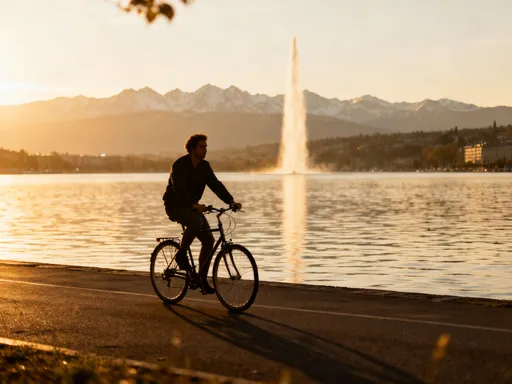
What makes this first impression so powerful is the absence of forced spectacle. There are no artificial observation decks or ticketed viewpoints required to witness it. The city reveals itself gradually, inviting curiosity rather than demanding admiration. Whether seen from the moving ferry, a bicycle pedaled along the seafront, or on foot along the promenade, the arrival experience in George Town sets the tone for a destination where beauty emerges from authenticity. The skyline isn’t staged—it unfolds.
George Town’s Urban Canvas: Street Art and Skyline Synergy
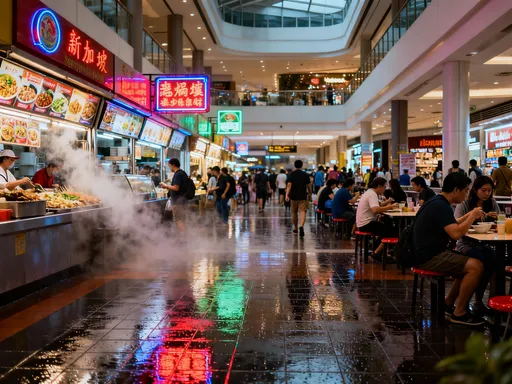
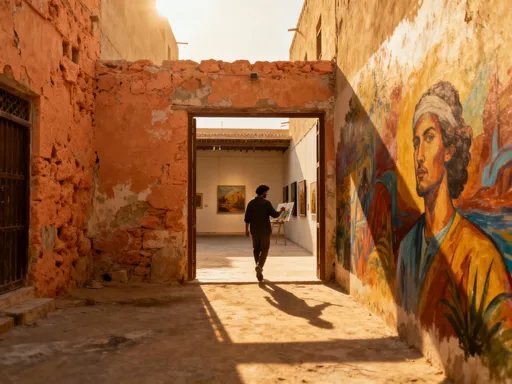
Penang’s fame as a street art destination is well-earned, but what many travelers overlook is how these vibrant murals don’t exist in isolation—they are part of a larger visual dialogue with the city’s architecture and skyline. The painted walls of Armenian Street, for instance, don’t just depict stories; they frame them. A mural of a child on a bicycle appears to ride directly into the bustling street, its motion blurred by passing scooters and the shadow of an overhead sign. The skyline becomes part of the composition, with power lines and rooftop laundry lines weaving through the scene like natural brushstrokes.
The synergy between art and skyline is especially evident in areas like Hin Bus Depot, a reimagined cultural hub where contemporary installations meet restored industrial structures. From elevated walkways within the compound, visitors can capture panoramic views that include both ground-level murals and the distant cityscape. The contrast between old brickwork and glass-walled extensions creates depth, while the surrounding greenery softens the urban edges. These vantage points allow photographers to layer their images—art in the foreground, skyline in the distance, and life in motion throughout.
What elevates this experience is accessibility. Unlike curated galleries or exclusive rooftops, much of this art exists in public view, free to explore at any hour. Upper-floor cafés near Armenian Street offer quiet observation decks where one can sip coffee while watching the interplay of light, shadow, and human activity below. The murals don’t just decorate the city—they activate it, turning ordinary streets into dynamic stages where skyline, art, and daily life converge in unexpected harmony.
Rooftop Vibes: Best Spots for Sunset and City Lights
As the sun begins its descent, George Town transforms. The golden hour casts a warm glow over the city’s mix of old and new, softening the edges of concrete and brick while igniting the glass façades of modern buildings. This is when rooftop viewpoints come into their own. While specific hotel names are not highlighted due to potential changes in access or operation, several public-facing rooftop bars and accessible upper floors in central George Town provide unobstructed panoramas. These spaces offer more than just views—they deliver atmosphere. The gentle breeze, the clink of glasses, and the gradual shift from daylight to city lights create a sensory experience that complements the visual feast.
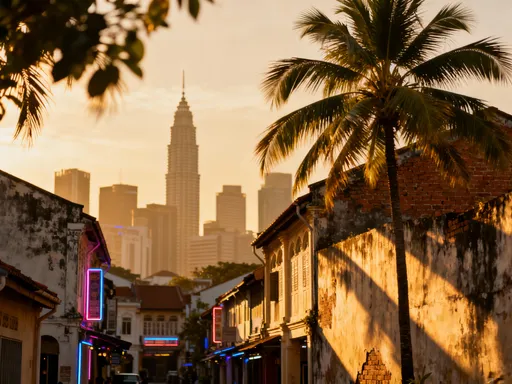
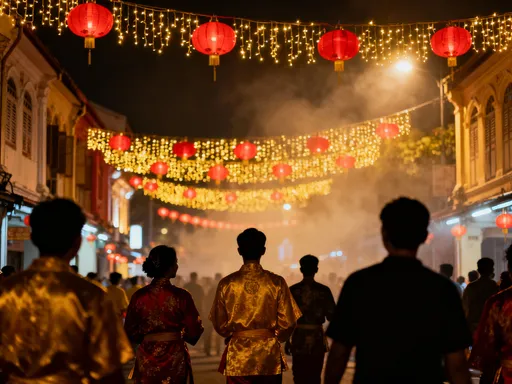
Arriving at least thirty minutes before sunset ensures a prime spot and allows time to observe how the city’s colors evolve. Early evening light enhances the textures of shophouse facades—peeling paint, ornate ironwork, and hanging plants glow in the low sun. As twilight deepens, the skyline begins to sparkle. Street lamps flicker on, neon signs buzz to life, and windows illuminate one by one, creating a patchwork of warm and cool tones. Long exposures can capture this transition beautifully, turning moving scooter lights into glowing trails against the darkening sky.
For photography, a wide-angle lens is ideal for capturing the full sweep of the skyline, while a telephoto lens can isolate details—such as the silhouette of a temple roof against a painted sky. Even smartphone cameras, with night mode enabled, can produce stunning results. The key is patience. The most magical moments often occur after the official sunset, during the so-called “blue hour,” when the sky turns a deep indigo and the city lights shine with maximum contrast. These rooftop moments are not just about photography—they’re about presence, about absorbing the rhythm of a city that never fully sleeps.
The Charm of Shophouse Alleys: Narrow Streets, Big Visual Impact
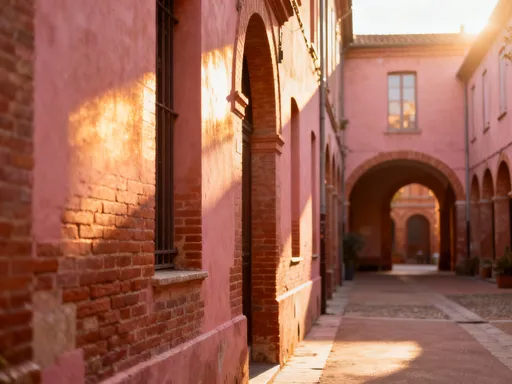
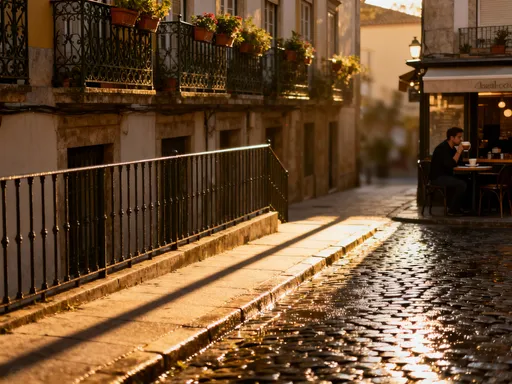
Some of Penang’s most striking skyline views aren’t wide-open panoramas but vertical tunnels formed by its iconic shophouses. These narrow alleys—such as Acheen Street, Cannon Street, and Chulia Lane—create natural frames for photography, drawing the eye upward through layers of architectural detail. Laundry lines crisscross overhead, potted plants spill from balconies, and signage in multiple languages clutters the upper levels, forming a chaotic yet harmonious composition. The walls, often faded and cracked, tell stories of time and weather, their textures enhanced by afternoon light filtering through the tight corridors.
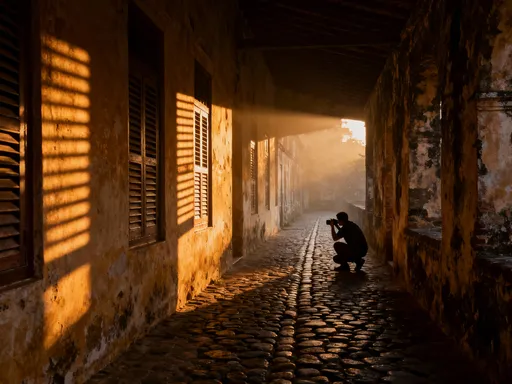
Acheen Street, one of the oldest in George Town, exemplifies this vertical drama. Lined with former merchant homes and small workshops, its shophouses rise three or four stories, their facades a mix of colonial symmetry and later additions. Early morning is ideal here, when the low sun streams down the alley, casting long shadows and highlighting the play of light on brick and stucco. The occasional passing scooter or vendor pushing a cart adds motion and scale, grounding the image in real life rather than stillness.
What makes these alleys so compelling is their density of visual information. Unlike open plazas or wide boulevards, they compress history, culture, and daily living into a single frame. The skyline here isn’t distant—it’s intimate, built into the very fabric of the street. Balconies become natural ledges for composition, while rooftop water tanks and satellite dishes add contemporary touches to otherwise historic silhouettes. Photographers who take the time to look up will find that these alleys offer some of the most layered and emotionally rich images on the island.
Coastal Perspectives: Capturing the City from the Waterfront
The northern shoreline of George Town offers some of the most balanced and reflective skyline views. Walking from Swettenham Pier to Fort Cornwallis, visitors encounter a continuous stretch of open space where the city meets the sea. At low tide, shallow pools form along the rocky edges, creating natural mirrors that double the visual impact of the skyline. A single building, lit by the evening sun, can appear both in the air and in the water, its reflection distorted just enough by ripples to add artistic texture.
Dawn is a particularly serene time along this stretch. The city is quiet, the air cool, and the light soft and diffused. Long exposures can smooth the water into glass, producing mirror-like images that emphasize symmetry and stillness. As the sun rises, the colors shift from pale gray to gold, gradually warming the concrete and glass towers. By contrast, evenings bring energy—families gather, street performers appear, and the promenade fills with walkers and cyclists. The skyline at night, seen from this angle, feels alive, pulsing with light and movement.
Photographers should be mindful of tides and weather when planning shots. Calm days with minimal wind produce the clearest reflections, while overcast skies can create moody, atmospheric images. Drones, where permitted by local regulations, can offer elevated perspectives, but their use should always respect privacy and safety guidelines. Even without one, a low-angle shot from the water’s edge can produce dramatic results, framing the skyline against ripples or foreground rocks. This coastal vantage is not just scenic—it’s emotional, connecting the viewer to the rhythm of tides and time.
Hidden Elevations: Offbeat Vantage Points Beyond the Tourist Trail
While popular viewpoints have their appeal, some of the most rewarding skyline perspectives come from lesser-known spots. These hidden elevations—often overlooked by guidebooks—offer fresh angles without the crowds. Public parking buildings on the edge of George Town, for instance, provide multiple levels of unobstructed views. The top floor, usually quiet by late afternoon, allows for 360-degree observation, capturing both the historic core and the modern outskirts in a single sweep.
University campuses on the city’s periphery, such as those near the Penang National Library, also offer elevated walkways and open terraces with panoramic potential. These spaces are often accessible during daylight hours and provide a more serene environment for contemplation and photography. Similarly, temple grounds on higher ground—such as those nestled in the hills near Air Itam—offer skyline views framed by spiritual architecture and greenery. The contrast between sacred stillness and urban energy is striking, and the elevated position ensures a sweeping perspective.
Exploring these offbeat spots requires a respectful approach. Many are not tourist attractions but functional or private spaces. Visitors should observe quietly, avoid blocking pathways, and refrain from intrusive photography. The goal is not to conquer viewpoints but to discover them with humility. These hidden elevations reward patience and curiosity, offering not just better angles, but a deeper understanding of how the city fits together—geographically, historically, and emotionally.
Practical Magic: Timing, Gear, and Local Etiquette for Stunning Shots
Capturing Penang’s skyline at its best requires more than a good camera—it demands timing, preparation, and cultural awareness. The golden hour, just after sunrise and before sunset, provides the most flattering light, enhancing colors and minimizing harsh shadows. The blue hour, the brief window after sunset when the sky turns deep blue, is ideal for city lights and long exposures. Midday light, while bright, can be overly contrasty; using shade or visiting indoor-outdoor spaces like courtyard cafés can help manage exposure.
As for gear, modern smartphones are more than capable of producing high-quality images, especially with manual settings or night mode. For those using mirrorless or DSLR cameras, a tripod is useful for low-light shots, while a polarizing filter can reduce glare on water or glass. A lightweight backpack with rain protection ensures equipment stays safe during sudden tropical showers. Comfortable walking shoes are essential, given the amount of ground covered in search of the perfect frame.
Equally important is local etiquette. While Penang is welcoming, it’s respectful to ask before photographing people, especially in residential areas or places of worship. Avoid using flash in dimly lit homes or temples, and never trespass on private property for a better angle. The beauty of George Town’s skyline lies in its authenticity—its unposed moments, its lived-in spaces. The most powerful images are often those that capture life as it unfolds, not as it’s staged. By moving with awareness and kindness, travelers not only create better photographs but also honor the community that makes the city so special.
Penang’s cityscape isn’t just a backdrop—it’s a living gallery. Its charm isn’t in flawlessness, but in the harmony of chaos and color, history and hustle. For any traveler chasing genuine, Instagram-worthy moments, this island offers more than expected—layer by layer, street by street.