You Gotta Taste This: How Singapore’s Food Scene Transformed My Shopping Trips
I never thought grocery shopping could be exciting—until I hit the markets and malls of Singapore. What started as a quest for souvenirs turned into a full-on food adventure. From sizzling hawker stalls to gourmet supermarkets, every stop fed my curiosity—and my stomach. This is more than retail therapy; it’s a flavor journey. Let me take you through how food turned every shopping moment into an unforgettable experience.
The First Bite: How Food Redefined My Idea of Shopping in Singapore
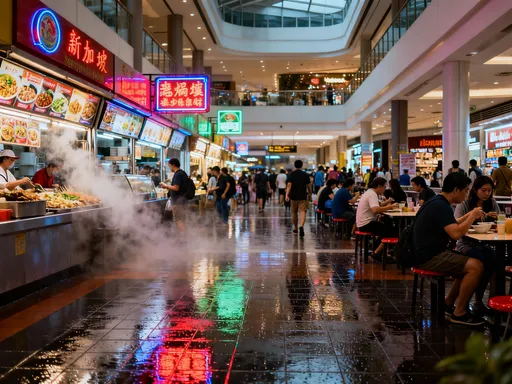
When I first arrived in Singapore, my itinerary was simple: browse boutiques, pick up gifts, and maybe catch a mall-based light show. I didn’t plan for hunger—but within hours, I was standing in line at a hawker center tucked inside a gleaming shopping complex, the air thick with the scent of garlic, chili, and caramelized crustaceans. That first bite of chili crab, messy and rich and perfectly spiced, changed everything. I realized that in Singapore, shopping and eating aren’t separate activities—they’re intertwined experiences, each enhancing the other.
The surprise wasn’t just the quality of the food, but its placement. In most cities, you leave the mall to find a decent meal. In Singapore, the meal is part of the mall. Air-conditioned food halls serve steaming baskets of har gow and siu mai, while open-air hawker centers thrive beneath the same roofs as designer stores. I remember watching a woman in a crisp office blouse unwrap a banana leaf parcel of nasi briyani while balancing a shopping bag from a luxury department store. There was no contradiction in her actions—only balance. This is everyday life in Singapore: elegance and authenticity, commerce and cuisine, coexisting without pretense.
What struck me most was how naturally it all felt. The fusion of shopping and dining wasn’t a marketing gimmick; it was cultural logic. Singaporeans value efficiency, comfort, and flavor—all at once. And as a visitor, I quickly adapted. My shopping list expanded from scarves and soaps to spice blends, bottled sauces, and frozen dumplings. Every purchase became a potential meal, a memory in edible form. I wasn’t just buying souvenirs; I was collecting experiences I could recreate at home. That shift—from passive consumer to active participant in the food culture—was the true beginning of my transformation.
Hawker Centers Inside Malls? Why Singapore Blends Food and Shopping So Well
The seamless integration of food into retail spaces isn’t accidental—it’s the result of deliberate urban planning and deep cultural values. Singapore’s tropical climate, with its high humidity and sudden downpours, makes open-air shopping uncomfortable. To solve this, the city has built vast, climate-controlled complexes where residents can work, shop, dine, and even exercise—all under one roof. But what sets Singapore apart is not just convenience; it’s the elevation of hawker culture within these modern spaces.
Hawker centers, once associated with roadside stalls and plastic stools, have been thoughtfully integrated into malls without losing their soul. The government, through agencies like the National Environment Agency, has preserved these culinary traditions while upgrading hygiene standards and accessibility. Some of the most celebrated hawker vendors now operate inside major shopping destinations. At VivoCity, Southeast Asia’s largest mall, you’ll find Michelin-recognized stalls serving everything from bak chor mee (minced pork noodles) to Hainanese chicken rice. In Ngee Ann City along Orchard Road, the food court on the basement level draws crowds not for fast food, but for heritage recipes passed down through generations.
This model works because it respects both tradition and modernity. Hawker food is not treated as nostalgia—it’s seen as living, evolving cuisine. Vendors use digital payment systems, display calorie counts, and sometimes even offer online ordering, yet they still hand-roll dumplings and simmer broths the old-fashioned way. For locals, this blend is normal. For visitors, it’s a revelation. You can spend the morning trying on sunglasses at a high-end boutique and then sit across from a salaryman enjoying a $3 bowl of laksa that tastes better than anything you’ve had in a five-star restaurant. That democratization of flavor—where excellence is accessible to all—is central to Singapore’s identity.
Moreover, the inclusion of hawker food in malls isn’t just about comfort or convenience; it’s a statement about national pride. Singaporeans don’t hide their street food culture—they showcase it. When UNESCO added Singapore’s hawker culture to its Representative List of the Intangible Cultural Heritage of Humanity in 2020, it affirmed what locals already knew: food is part of their social fabric. By placing these culinary treasures in the heart of commercial life, the city ensures that both residents and tourists engage with its heritage daily—not as a performance, but as a lived reality.
From Wet Markets to Supermarkets: Where I Actually Bought My Memories
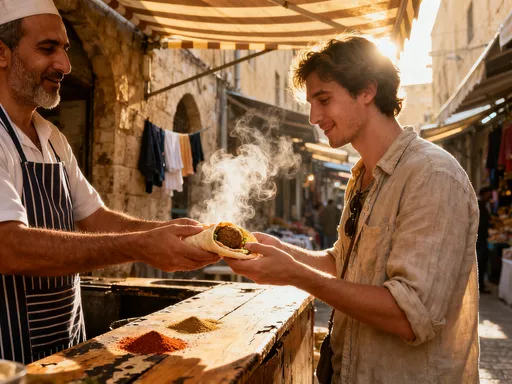
While the mall food halls dazzled me, it was the neighborhood markets that gave me a deeper sense of Singapore’s culinary soul. One morning, I ventured into Tekka Market in Little India, drawn by the vibrant colors of turmeric, dried chilies, and fresh curry leaves piled high on wooden crates. The air hummed with Tamil conversations and the rhythmic thud of pestles grinding spices. An auntie behind a counter handed me a piece of freshly sliced mango, then pointed to a tub of homemade vindaloo paste. “Try this,” she said with a smile. “Good with chicken.” I bought two jars—because I trusted her, and because I wanted to remember that moment.
These wet markets—so named because of the damp floors from melting ice and fresh produce—are not tourist attractions. They’re working kitchens for the community. At Tiong Bahru Market, I watched a grandmother select live prawns by touch, then hand them to a stall owner who stir-fried them on the spot with garlic and black pepper. I followed her lead, ordering my own plate, then browsing the upper level for kaya (coconut jam) and homemade tau huay (soft beancurd). There, food isn’t just sold—it’s demonstrated, shared, and celebrated.
In contrast, Singapore’s premium supermarkets offer a different kind of edible souvenir. Stores like Cold Storage, Jasons, and FairPrice Finest carry curated selections of local specialties in gift-ready packaging. I found vacuum-sealed portions of durian puffs, jars of artisanal kaya made with gula melaka (palm sugar), and spice sets labeled with recipe cards. These weren’t just products—they were invitations to recreate the Singaporean kitchen at home. I appreciated the care in presentation: elegant boxes, bilingual labels, and even QR codes linking to cooking videos. It made me feel confident that I could bring a piece of this cuisine back with me, even if my culinary skills were modest.
What surprised me most was how both ends of the spectrum—the bustling wet market and the polished gourmet grocer—felt equally authentic. Neither was performative. Whether I was haggling over the price of galangal or scanning a barcode for chili crab paste, I was participating in the same culture of flavor and care. And in each case, my purchases weren’t just ingredients—they were memories in tangible form, waiting to be unpacked and shared.
The Ultimate Food Crawl: A Shop-Till-You-Drop (Then Eat) Itinerary
If you want to experience the full harmony of shopping and eating in Singapore, I recommend a single-day itinerary that moves through different neighborhoods, blending retail and taste. Start early at ION Orchard, one of the most iconic malls on Orchard Road. Head straight to the basement level, where the food hall offers an excellent introduction to local flavors. Try a plate of char kway teow from a well-reviewed stall—wide flat noodles wok-fried with egg, bean sprouts, and Chinese sausage. The smoky wok hei (breath of the wok) is unmistakable. While you’re there, pick up a box of preserved lime tea or a set of reusable chopsticks from one of the lifestyle shops.
From ION, walk down the street to Tangs, a department store with a strong local identity. On the lower levels, you’ll find a curated food section featuring regional specialties. I bought a set of house-made chili oils—spicy, tangy, and aromatic—each labeled with serving suggestions. They make excellent gifts and last well during travel. After browsing the home goods and beauty products, head to the food court on the top floor for lunch. I chose a stall serving Hainanese pork chop with a side of stir-fried kang kong (water spinach). The meat was tender, the sauce rich, and the entire meal cost less than $8.
Next, take a short taxi ride to Chinatown Complex, home to one of Singapore’s most famous hawker centers. Here, the food is no-frills but exceptional. I lined up at Liao Fan Hong Kong Soya Sauce Chicken Rice & Noodle, the first hawker stall in the world to earn a Michelin star. The dish is simple: poached chicken, soy-marinated and silky, served over fragrant rice with a spoonful of chili sauce. It’s humble, yet unforgettable. While you’re in the area, visit the nearby shops selling traditional Chinese herbs, tea sets, and handmade mooncakes. I picked up a small ceramic jar of aged tangerine peel, used in soups and teas for its medicinal properties.
In the late afternoon, make your way to a quieter neighborhood like Tiong Bahru. Stroll through the art deco shophouses, then stop at a local bakery for a pandan cake—soft, green, and subtly sweet. Pair it with a kopi (local coffee) from a corner stall. The combination is pure comfort. As the sun begins to set, end your day at a seaside food village like East Coast Lagoon Food Village. Order a plate of satay—grilled meat skewers with peanut sauce—and eat it on a bench facing the water. The breeze, the laughter of families, the sizzle of skewers on the grill—it’s a perfect ending to a day where every purchase was paired with a taste, and every taste became a story.
Hidden Gems Only Locals Know: Offbeat Spots Where Shopping Means Tasting First
Beyond the guidebooks and Instagram hotspots, Singapore’s true food-shopping magic happens in neighborhood centers where locals go for lunch and errands. One weekday, I followed a stream of office workers to Amoy Street Food Centre, a no-frills complex near the financial district. By 12:30 p.m., every seat was taken. I joined the queue at a nasi padang stall, where the display case held over 15 different curries and side dishes—rendang, fried tempeh, braised tofu, salted fish with eggplant. I pointed to a few, and the server spooned them onto my plate with practiced speed. The meal was hearty, flavorful, and cost just $5. Nearby, a woman in a business suit balanced her tray with one hand and checked her emails on her phone with the other. This was not a tourist experience—it was real life, and it was delicious.
Another afternoon, I explored Old Airport Road Food Centre, one of the oldest hawker centers in Singapore. The lines were long, but the energy was warm and familiar. I tried a dish called kway chap—a platter of flat rice noodles served with braised pork, tofu, and offal in a dark soy broth. It wasn’t on any “top 10” list I’d read, but it was deeply satisfying, the kind of meal that feels like home even if you’ve never had it before. While I ate, I noticed people buying plastic containers of extra sauce to take home, or stopping by a nearby shop to pick up kitchenware and cleaning supplies. Shopping wasn’t an afterthought—it was part of the routine.
On weekends, families often head to East Coast Lagoon Food Village, a seaside cluster of open-air stalls. After a walk along the boardwalk, I tried a rare treat: chendol with coconut ash noodles. The black strands, made from rice flour and coconut shell ash, gave the dessert a subtle earthiness that balanced the sweet gula melaka syrup and red beans. A vendor told me the recipe came from her grandmother in Indonesia. I bought a small bag of the dried noodles from her stall, along with a note on how to cook them. It wasn’t a commercial product—it was a family recipe, shared freely.
These offbeat spots taught me an important lesson: in Singapore, tasting often comes before buying. You don’t purchase a spice paste without trying it first. You don’t buy a jar of curry without asking the auntie behind the counter how she uses it. This culture of sampling—encouraged by low prices and generous vendors—makes food shopping interactive and low-risk. You can try a little, love it, and then take some home. There’s no pressure, no waste, just discovery.
Practical Tips: How to Shop Smart (and Eat Smarter) in Singapore
After several trips, I’ve learned a few strategies that make the food-shopping experience smoother and more enjoyable. First, embrace contactless payments. While cash is still accepted at many hawker stalls, most vendors now support systems like PayNow, Apple Pay, or GrabPay. It’s faster, cleaner, and eliminates the need to carry large amounts of small change. I always ensure my phone is charged and my payment apps are set up before heading out.
Second, bring a reusable bag—especially if you’re buying delicate items like kueh (traditional steamed or baked cakes). These treats are often wrapped in paper or banana leaves and can easily get crushed in a crowded bag. A soft insulated tote helps protect both your purchases and any temperature-sensitive items. Some high-end supermarkets even offer chilled carry bags for a small fee, which is useful if you’re buying frozen durian or fresh fish paste.
Timing matters, too. Hawker centers and food courts are busiest between 12:00 p.m. and 1:30 p.m. and again from 6:30 p.m. to 8:00 p.m. If you want to avoid long queues and enjoy a more relaxed meal, aim for 11:30 a.m. or 5:30 p.m. Weekdays are generally less crowded than weekends, especially at neighborhood centers. I’ve found that arriving early not only saves time but also ensures fresher stock—some popular dishes sell out by mid-afternoon.
Another tip: use mall lockers or concierge services if you’re planning to carry perishable items. Many large shopping complexes, including VivoCity and Suntec City, have coin-operated lockers or staffed storage counters where you can leave bags while you continue exploring. This is especially helpful if you’re buying chilled or frozen goods and don’t want to carry them all day. Some malls even offer chilled storage for a fee, which is ideal for items like bak kwa (barbecued meat) that need to stay cool.
Finally, be mindful of what you pack for travel. Perishable foods like fresh kaya, soft tofu, or raw pastes won’t survive a long flight. Instead, look for vacuum-sealed or shelf-stable versions. Many brands now offer travel-friendly packaging for popular items. Bak kwa, for example, is often sold in vacuum packs that last for weeks without refrigeration. Similarly, dried spice mixes, bottled sauces, and canned durian are excellent choices for souvenirs that won’t spoil. When in doubt, ask the vendor—they’re usually happy to advise.
Why This Fusion Stays With Me: The Lasting Taste of Singapore’s Shopping Culture
Months after my trip, I still find myself reaching for the jar of chili oil I bought at Tangs. As I drizzle it over noodles or roasted vegetables, I’m transported back to the bustling streets of Singapore—the hum of conversation, the scent of spices, the warmth of a city that treats food as essential, not optional. What stayed with me wasn’t just the flavors, but the philosophy behind them: that eating and living are inseparable, that commerce can be caring, and that even a simple shopping trip can become a journey of the senses.
Singapore doesn’t separate food from daily life—and it doesn’t separate shopping from culture. Every mall, market, and hawker stall reflects a history of migration, adaptation, and innovation. The Indian curry, the Chinese noodle, the Malay satay, the Peranakan kueh—they’re all here, not as museum pieces, but as living traditions, constantly being remade. When you buy food in Singapore, you’re not just acquiring a product; you’re participating in a story of resilience, diversity, and joy.
For travelers, this means rethinking what shopping can be. It’s not about accumulating things—it’s about collecting moments. A shared meal at a hawker stall, a recipe passed from vendor to visitor, a jar of spice that carries the scent of a distant city—these are the souvenirs that last. They don’t sit on a shelf; they come alive in the kitchen, at the table, in the laughter of loved ones tasting something new.
So the next time you plan a trip, consider this: let food lead the way. Let it guide your shopping, shape your itinerary, and deepen your connection to a place. In Singapore, I learned that the best way to know a culture isn’t through its monuments or museums, but through its markets and meals. When you eat here, you don’t just taste the food—you taste the heart of the city. And that’s a flavor you’ll carry long after you’ve come home.